
Arable Farming
at Lower Norton Farms
Our Approach
As an all arable farm, we combine high quality food production with a strong commitment to Countryside Stewardship, supporting healthy soils, thriving habitats and a resilient countryside. We strive to farm in a responsible and sustainable manner balancing commercial considerations with care for the environment and stewardship of the beautiful patch of countryside we have the privilege to live and work in.
How We Farm
Minimising soil disturbance (reduced or no cultivation)
Keeping the soil covered at all times (retaining crop residues at harvest and using over winter cover crops)
Adopting a diverse crop rotation
Maintaining a living root in the soil at all times
Incorporating livestock into the system (where practical)
Regenerative Farming

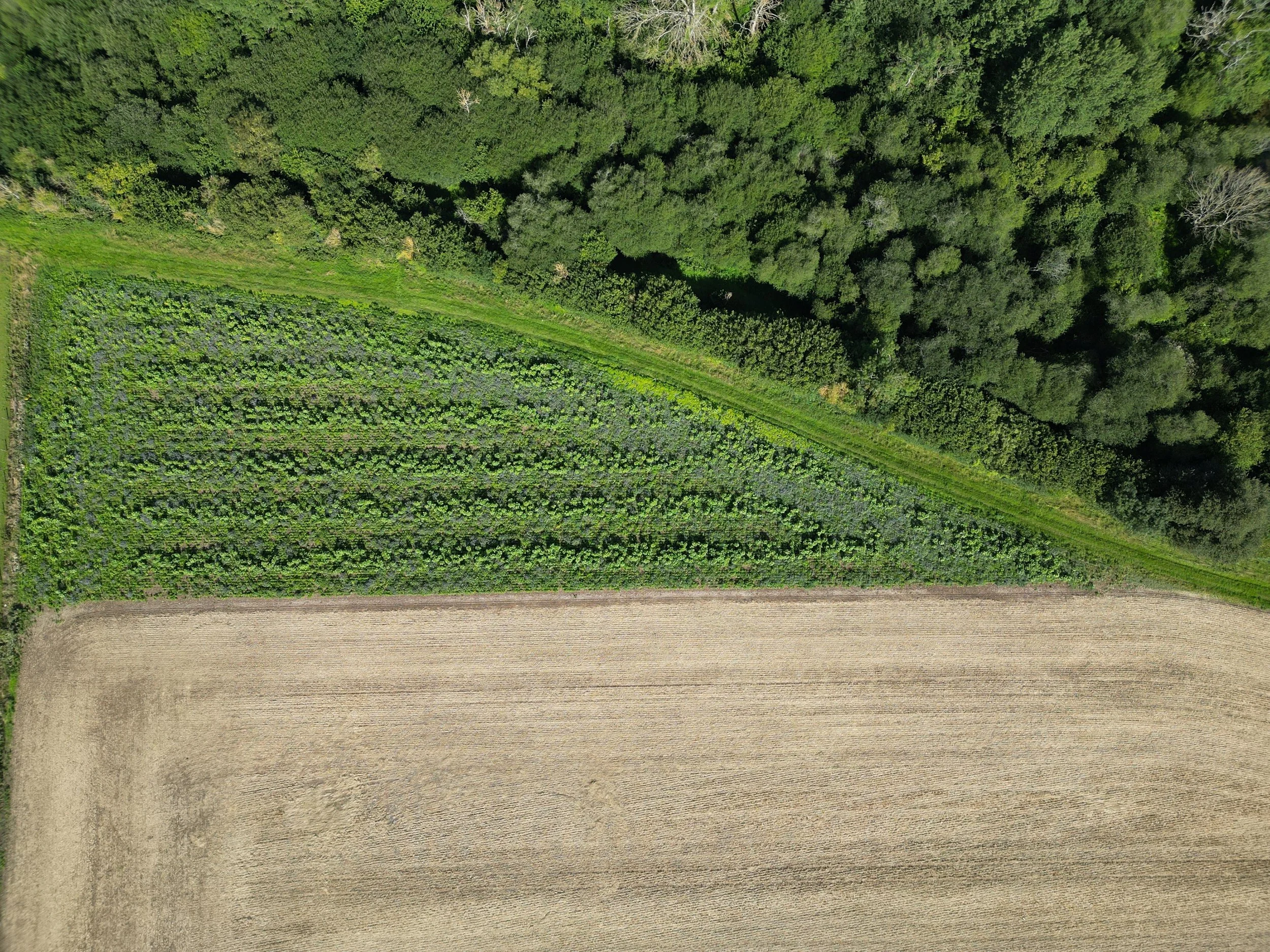
Minimising soil disturbance & keeping the soil covered at all times
Maintaining a living root in the soil at all times

Adopting a diverse crop rotation
Incorporating livestock into the system where practical
Environmental Stewardship
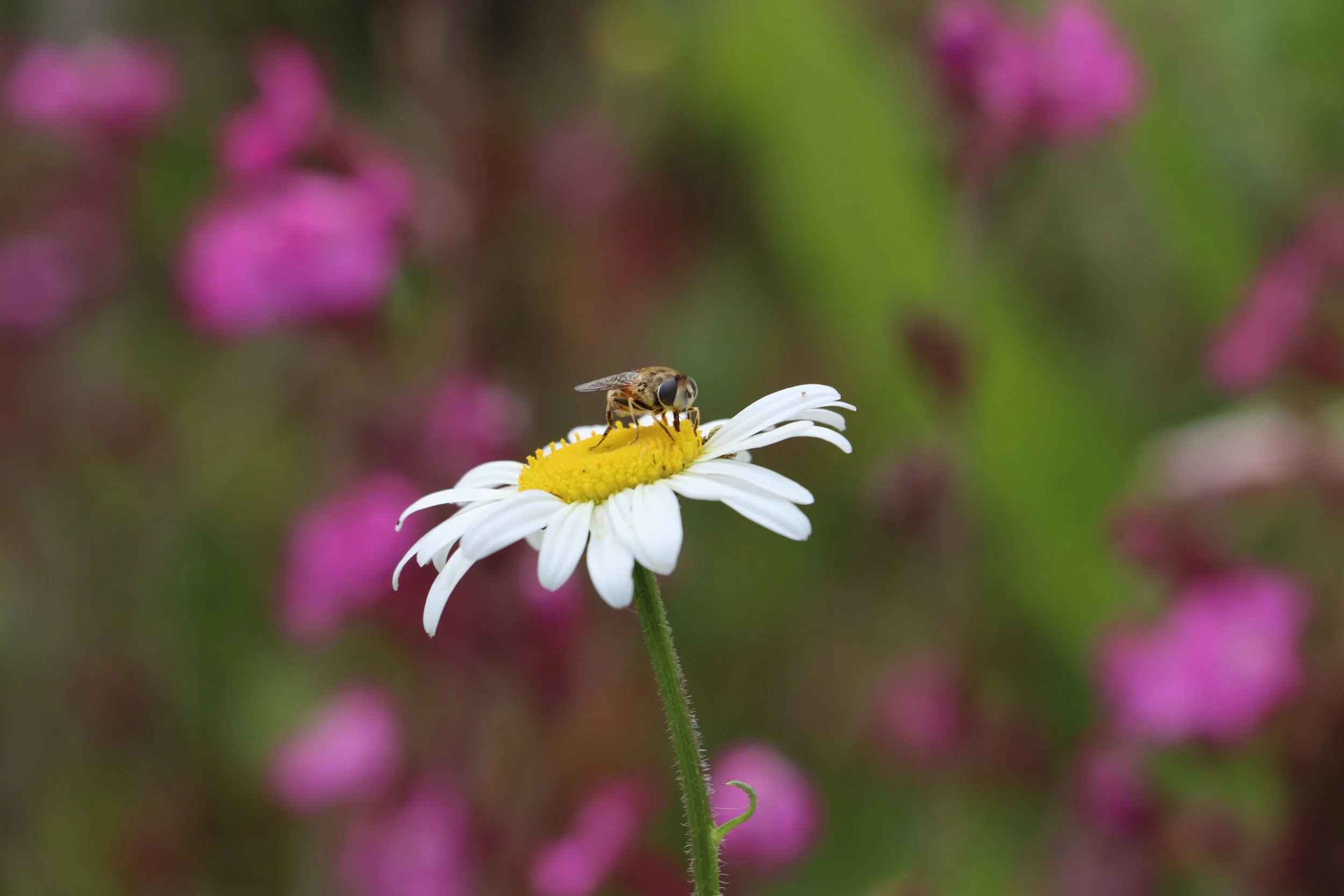
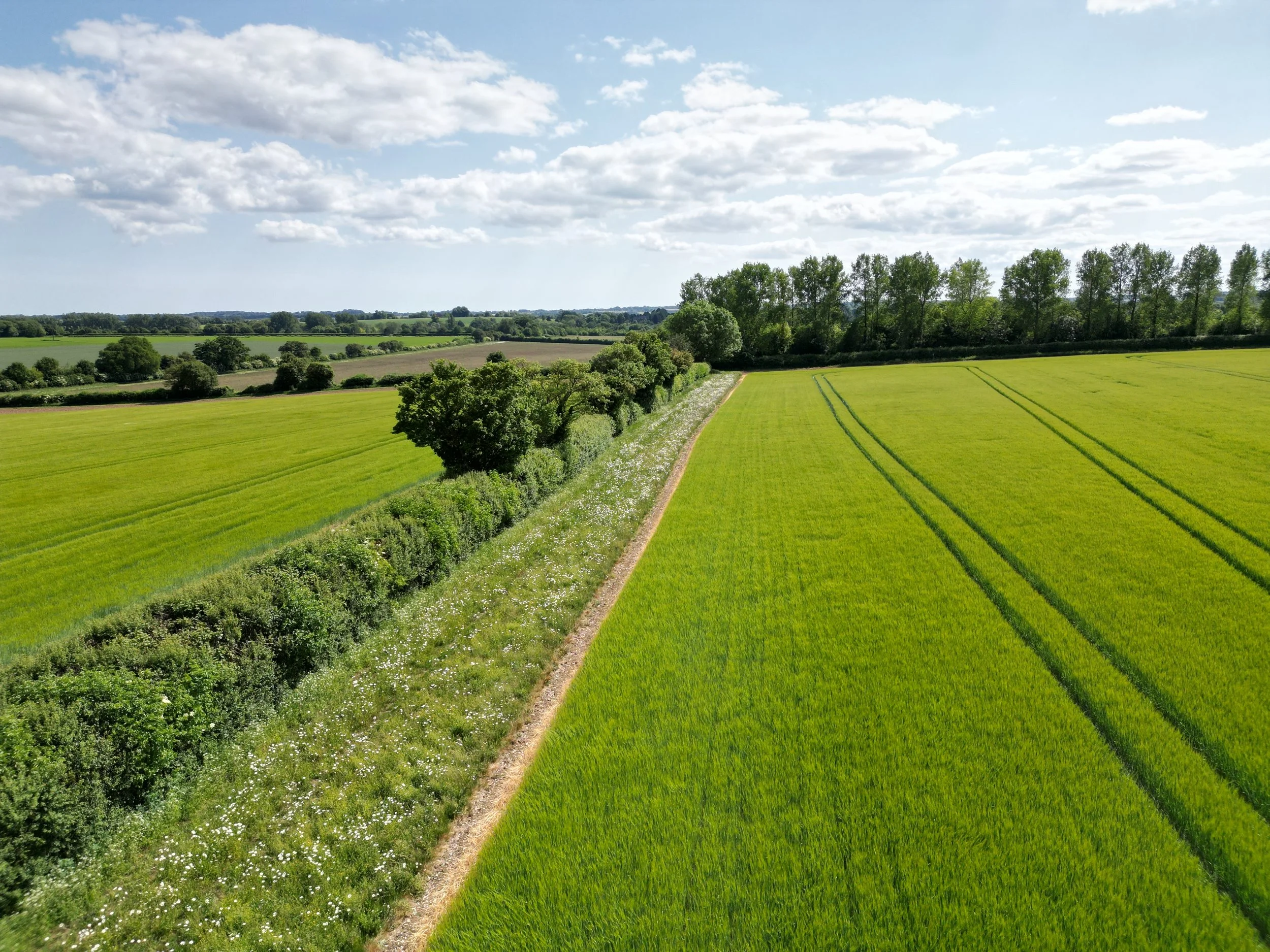
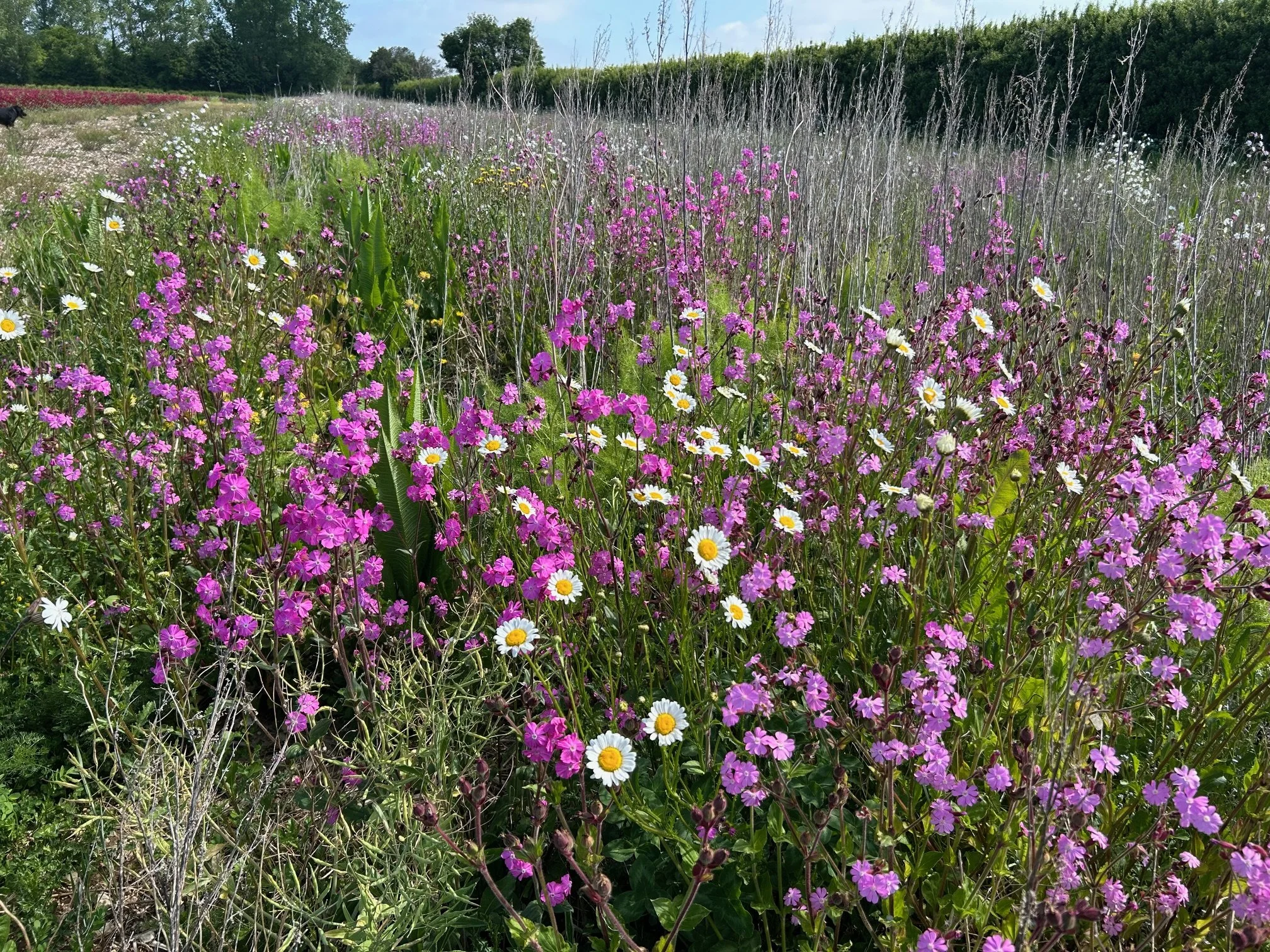
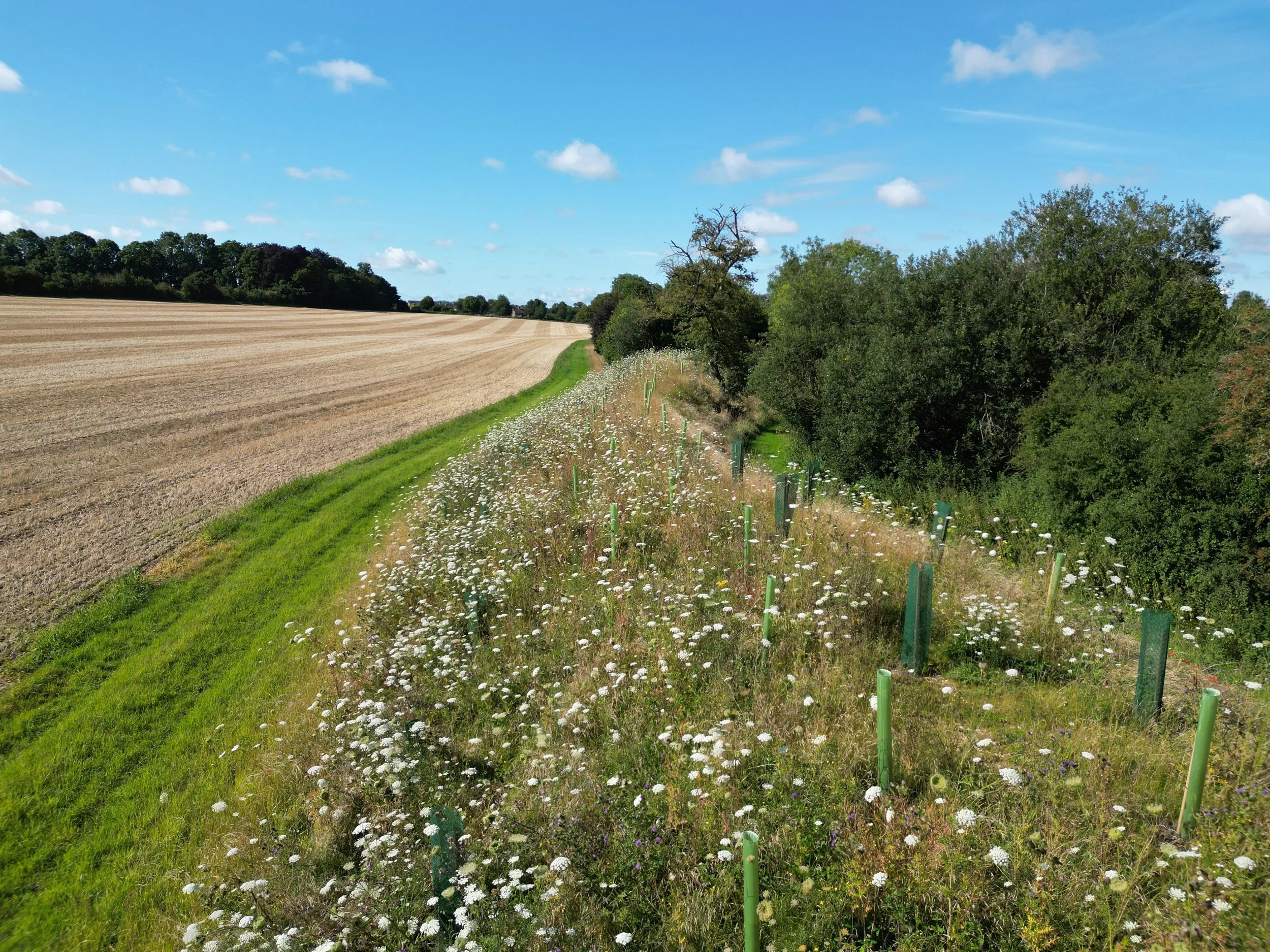
All of the farms we manage are in environmental stewardship schemes. In total, over 100ha of the 1200ha of arable land we farm is devoted to various stewardship options including flower margins, bird seed plots and cultivated margins, providing a mosaic of varying habitats across the farms. Field hedges are carefully trimmed on a three year cycle to provide a safe nesting habitat for farmland birds and to encourage flowering and berry production that supports the wildlife that depend on this valuable natural resource.
Stewardship in Practice
As farming systems have become increasingly specialised, environmental stewardship schemes have been developed to help farmers bridge the gap between striving for efficiency in food production and our responsibilities to wildlife and the wider environment.
Our stewardship focuses on three core elements:
Establishing and maintaining safe nesting habitats
Provision of pollen and nectar
Providing an overwinter food source
Working in Partnership
Collaboration across the wider landscape
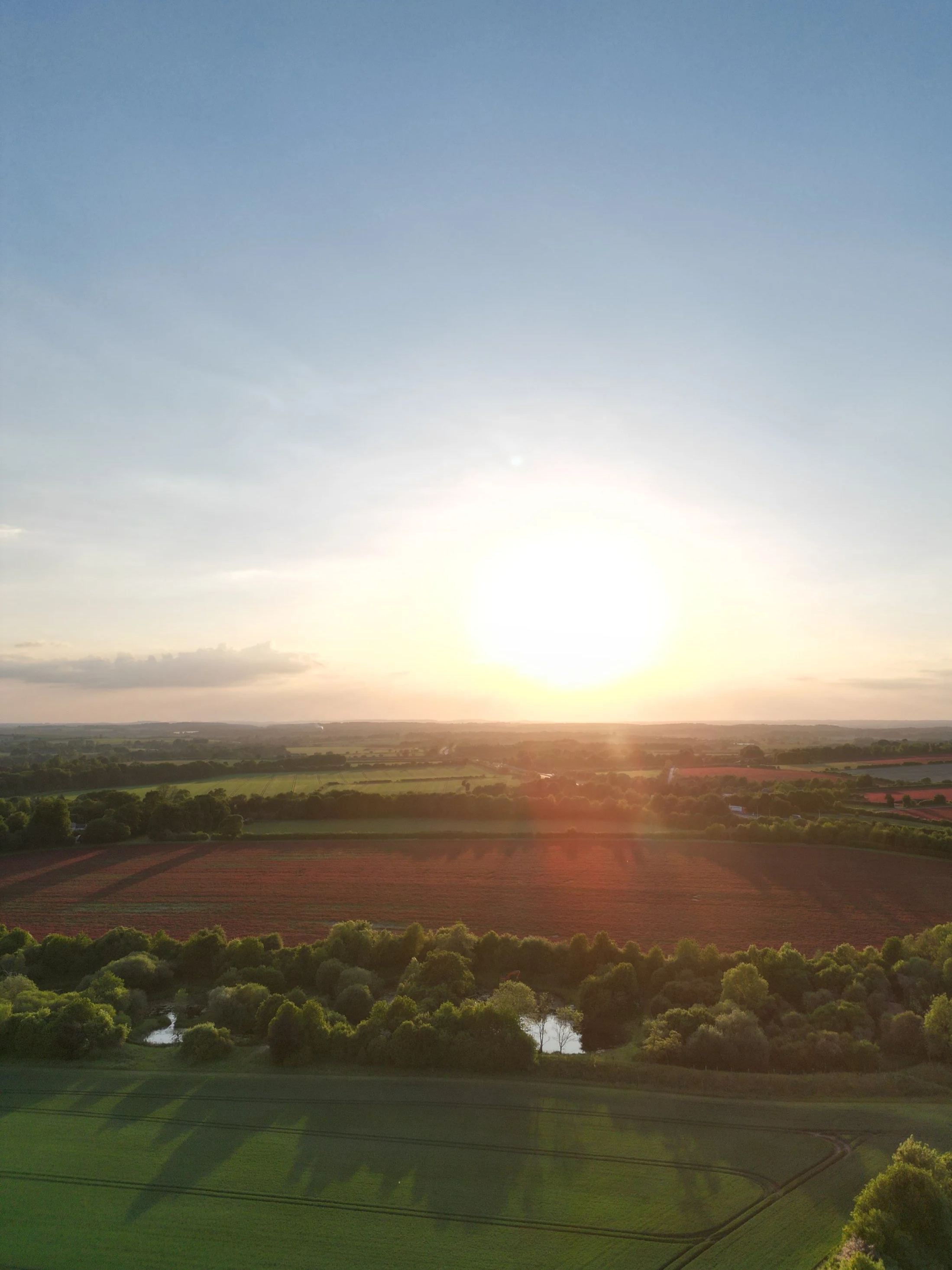
In addition to the stewardship options we have in place on our own farms, we work closely with neighbouring farmers and are members of the Winchester to River Test Farm Cluster Group which spans over 14,000 ha of land from the West of Winchester to Andover and is a great vehicle to share knowledge and implement environmental stewardship on a landscape scale.
Education
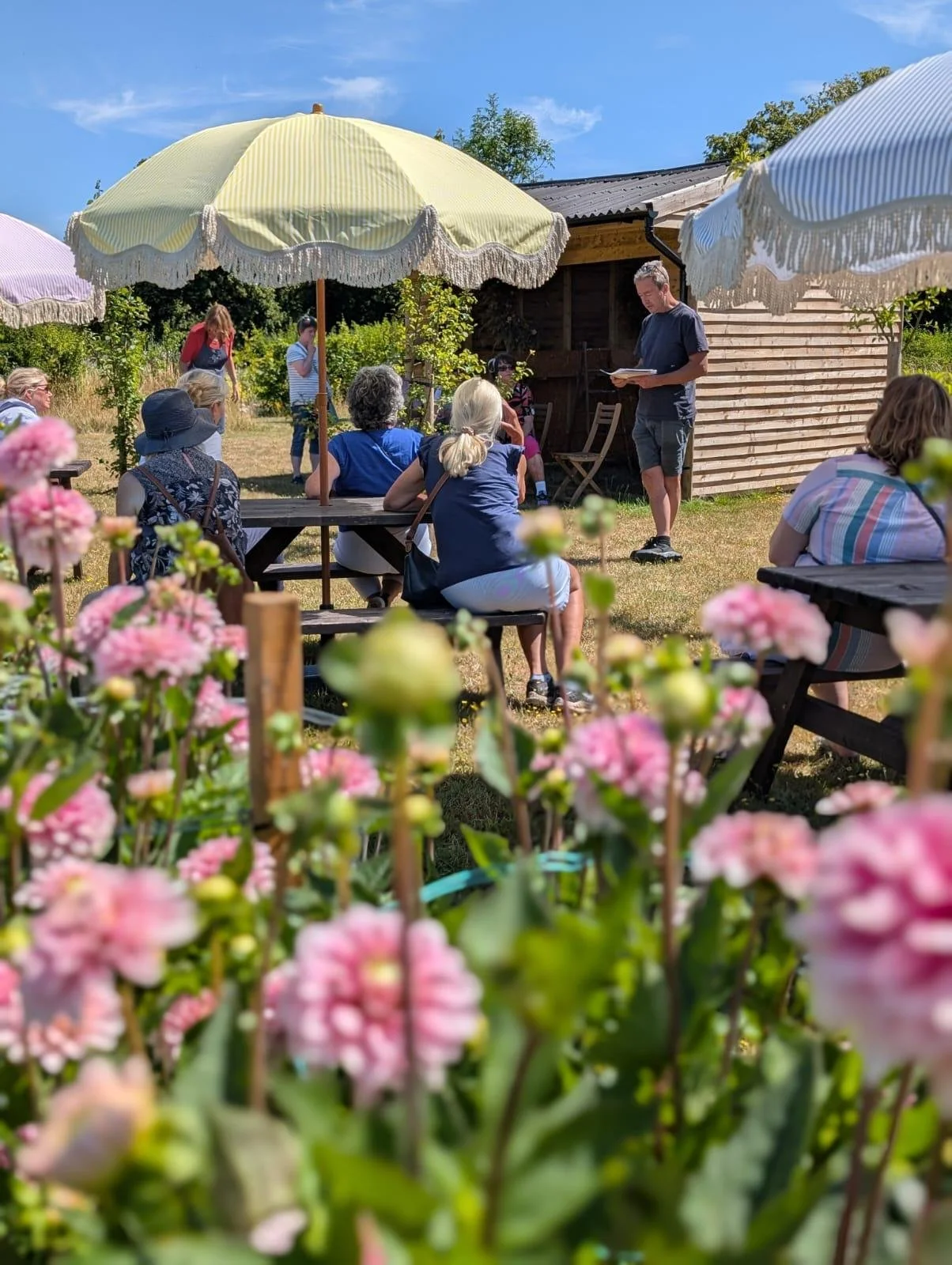
We enjoy hosting farm visits to help inform young people and other interested groups about how we farm and what we do. Over the years we have hosted countless groups, covering topics from arable farming to ecology and wildlife management.
The most regular groups have been through Sparsholt College, where we are keen to support the students and encourage the next generation of farmers and land managers.
Grain Storage
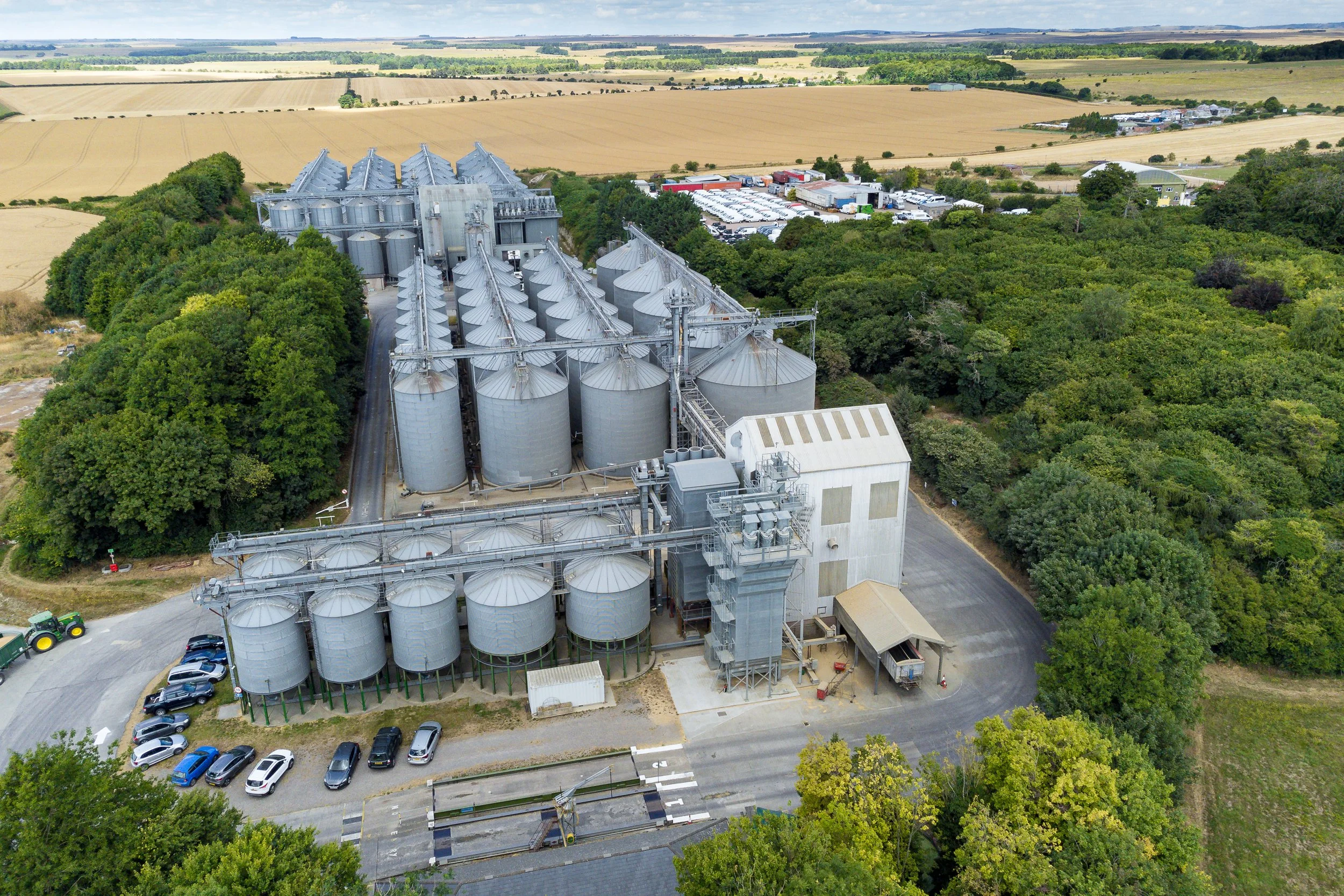
We are members of Trinity Grain, a 200,000 tonne farmers’ co-operative grain storage business with over 300 farmer members.
Trinity Grain collect our crops at harvest and transport them to one of their three stores, where the grain is processed and marketed on our behalf. As members of Trinity Grain, we benefit from access to professionally managed storage facilities and a dedicated marketing team with strong end-user market access, working to find the most appropriate home for our produce and maximise its value.
NIAB
National Institute of Agricultural Botany
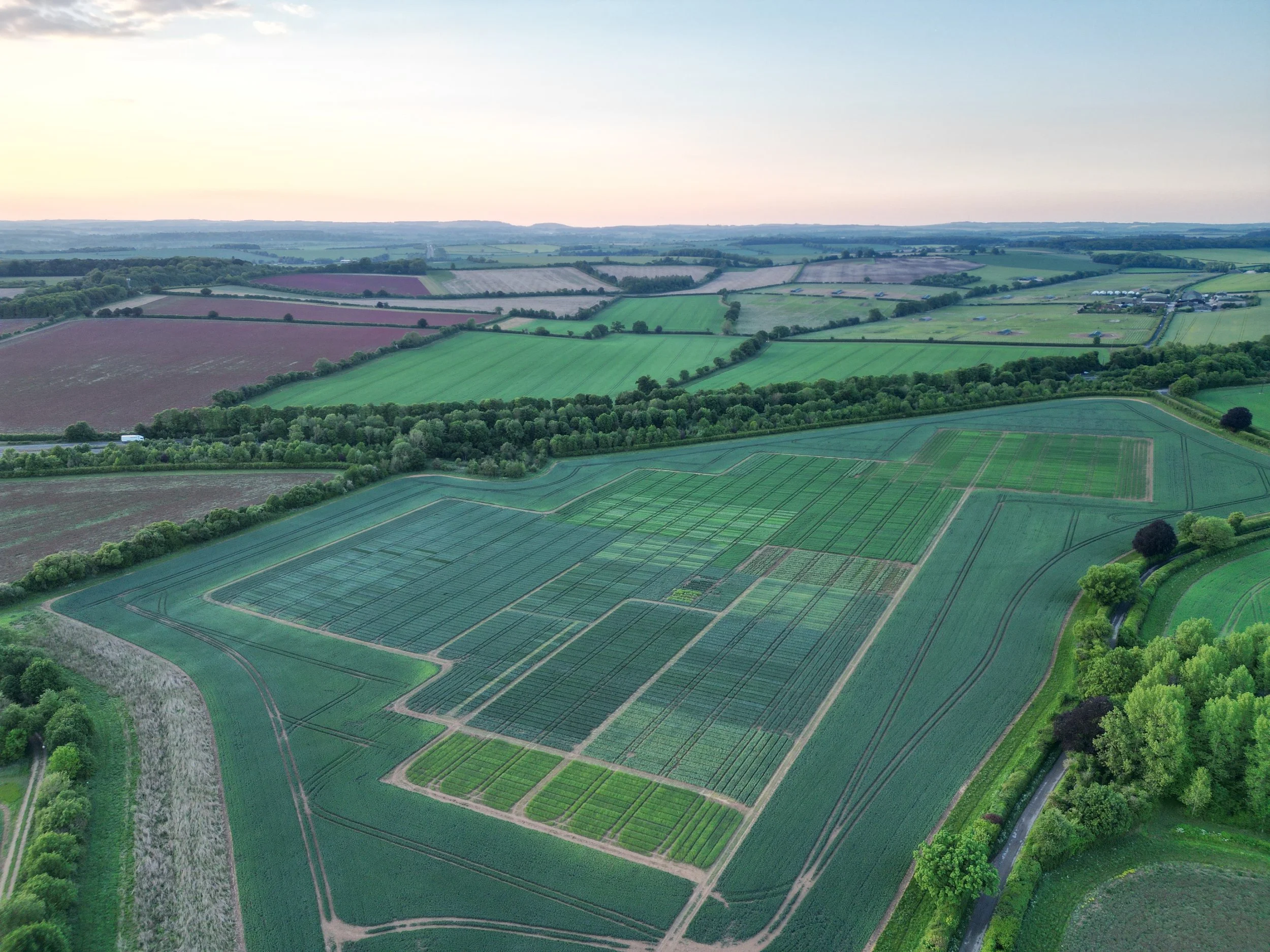
We have hosted the Hampshire trial site for the National Institute of Agricultural Botany (NIAB) for over 25 years, alongside their Southern Region offices, based here at Lower Norton Farm. NIAB is a leading independent UK research organisation providing crop evaluation and scientific expertise to support crop improvement and sustainable agricultural production.